20 Handy Ideas For Selecting Windows 11 OEM Stores
The Guide To Upgrading Windows 7 And Office Licensing.The end of support for Windows 7 marked more than simply the end of an operating system. it signified the end of a whole era of management and licensing for software. For individuals and businesses clinging to `windows 7`, the upgrade path to Windows 11 is not a simple re-installation--it's a migration to a fundamentally different digital paradigm. This shift affects every aspect of your Windows 11 experience, starting with how you purchase your Windows lizenz, all the way to how you collaborate with Office and safeguard your computer. Digital subscriptions, cloud-integrated licenses and ecosystem security have replaced old-world software suites purchased once and distributed on physical media or were only accessible as standalone applications. This shift is best facilitated by identifying the 10 key points where traditional practices meet modern needs. For instance, the choices taken regarding your OS can directly impact your productivity suites, security posture and the future capacity.
1. Hardware Gauntlet. The First Step.
Windows 11 hardware requirements must be met before you even consider buying Windows 11 (TPM 2.0 Secure Boot Modern CPU). Windows 7-based computers, especially older than 2017, aren't able to pass this test. This isn't just an attempt to make a Microsoft cash grab, it's an important security mandate. These functions form the "hardware foundation of trust" that modern security products like Windows Defender and even third-party applications like kaspersky premium rely upon. In the absence of ISO requirements by using unofficial ISO modification results in unreliable, unsupportable, and will nullify the core security features of the upgrade. It leaves users more vulnerable to attack to attack Windows 7 than it was prior to.
2. License Migration Myth: The Windows 7 license key you have is (mostly) obsolete
Windows 10 could be activated using a Windows 7 Pro product key. That grace period is effectively gone for Windows 11. Windows 7 OEM licences are not applicable to Windows 11 installations if your hardware is not up to date. You're starting over. You're beginning from scratch.
3. From Standalone to Ecosystem: The Office Licensing Revolution.
If you're running Office 2010 or 2013, you're used to the forever "office lizenz". Office 2021 was a dead beginning product when it went live. It was patched for security but did not have any new features. Microsoft 365 has become the option for upgrading productivity. This shift is profound and you're not just updating Office and Office 365; you're also embracing a cloud identity (Azure AD) and 1TB of OneDrive storage, and enabling real-time collaboration. The old practice of purchasing Office every ten years is now being replaced by an annual operational cost and includes regular upgrades and maintenance.
4. Security is not an afterthought. Reset a Paradigm.
Windows 7 probably had you having a third-party antivirus such as an old Norton 360. Windows 11 has changed the game. Windows Security (Defender), which is built into Windows 11 has been upgraded to a cloud-integrated, top-tier solution. Just installing your existing third-party suite can create issues and impact performance. When you upgrade, it's a great time to do a re-evaluation. Are separate security software, such as Kaspersky Premium required, or will Defender and the most recent hardware features be sufficient? The answer depends on the threat model you are using and the belief that you need to purchase separate antivirus is no longer necessarily true.
5. The Clean Install Imperative and Data Migration Strategy
It is not recommended to upgrade Windows 7 in place to Windows 11. This can lead you to instability. It should be a new installation. This will force a controlled data migration. This is the perfect time to stop local backups and shift to a cloud-based approach. Microsoft 365 is included in the subscription. The setting of Known Folder Move - to backup Desktop, Documents or Pictures during setup converts data migration, from a manual procedure, into an ongoing and seamless cloud-based synchronization process. The data you store is moved from being locked to your PC, and then becomes user-centric.
6. The Professional Feature Crossroads – Professional is the New Minimum.
Windows 11 Pro is required if previously used Windows 7 Professional as a domain joiner, BitLocker host, or Remote Desktop host. Windows 11 Home key can be a disastrous mistake for both business and professional users. Home isn't able to join domains and does not have BitLocker encryption. It also lacks an Editor for Group Policy. Windows 11 Pro with a Microsoft 365 Business Subscription or a Retail License is the ideal option for anyone who wants to upgrade from Windows 7 Pro.
7. Beware of the Grey Market siren call During the transition.
The urgency to upgrade fast and the sticker shock of new licenses lead many to look for low-cost "windows11 oem" keys in grey market. This is a terrible mistake to make during a time of transition. These keys are not reliable and will leave you with a weak foundation as you construct the new system. Making the investment of a valid Retail License or subscription that comes with Windows such as Microsoft 365 Business provides peace-of-mind and direct support as well as a guaranteed upgrade pathway for the future. Grey market keys can cost you data and time when they are deactivated.
8. Cloud-based Future-Proofing through the Server Connection
Windows 7 machines that were part of domain networks are likely to be replaced by a server like windows 2025. Windows 11 Pro will not be enough for this modern integration. It is also necessary to be aware of the Cals. Azure Active Director is a cloud-based alternative. It's part of Microsoft 365 Business. After upgrading to Windows 7, it's time to take a decision. Are you going to invest in on-premise servers, CALs as well as cloud-based device management (Intune), or switch to a subscription-based option? The two options are completely different in terms of pricing and licensing.
9. Driver Archaeology, and the need to Have an Modern Hardware Base
Windows 7 was able to prosper on a large collection of older driver. Windows 11 relies upon modern drivers, which are often downloaded from the cloud. Windows 7 is often the only device that is compatible with specialized hardware. The upgrade evaluation must include an exhaustive hardware compatibility test. This will show that an upgrade is required and a new PC pre-installed with the Windows11 OEM licence will be the best option.
10. A shift in mindset - from Ownership to Management and Access.
Upgrades from Windows 7 represents a change in your philosophy. In order to upgrade from Windows 7, you have to either sign up for an ongoing service that is regularly updated or purchase a digital licence with strict transfer rules. You switch from an antivirus attached to a hardware-based security. Data is moved from local storage to the cloud. Utilizing a Microsoft 365 subscription and a valid Windows 11 Pro licence, in addition to embracing modern security, is the sole method to ensure that the upgrade won't just deliver a brand fresh OS but also a durable modern, scalable, and manageable computer foundation for the coming decade. Take a look at the top windows 7 for more examples including office key, microsoft visio, office 365 key, product keys, microsoft visio, microsoft office 2019, office 2019 professional plus, microsoft office key, ms visio software, visio download and more.
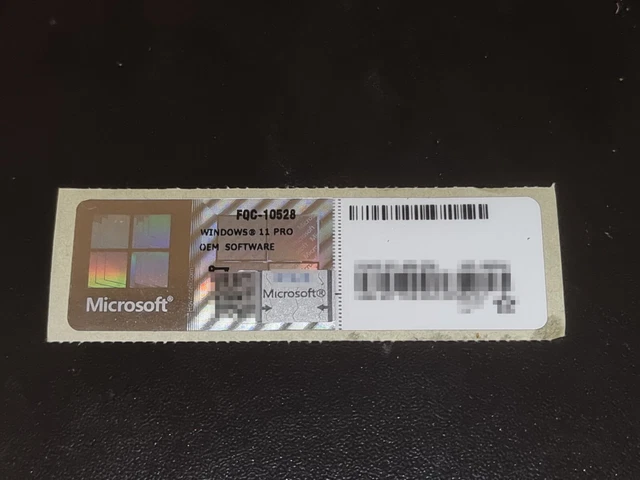
Software Licensing: Evolution From One-Time Purchase To Subscription.
The experience of buying a `windows 7` DVD in a box to signing up to services like Microsoft 365 represents one of the most profound shifts in the current digital economy. This change doesn't just require a new method of payment but also a radical change in the way that users relate to software. It will have an impact on productivity and security and also the overall cost. The old paradigm--exemplified by a one-time `office lizenz kaufen` or an `windows 11 oem` key tied to hardware--valued static ownership and predictable, upfront capital expenditure. Subscriptions to Windows (via Microsoft 365), kaspersky Premium, and norton360 offer that flexibility in exchange for cloud-based integration, continuous updates, and a shift towards operating expenses. Understanding this evolution can help you navigate the modern licensing and avoid risks associated with grey-market keys.
1. The Security Imperative was the primary driving driver behind the shift.
The static model of a one-time, static purchase collapsed when confronted with modern cyber security threats. Perpetual office licences or old windows lizenz licenses are prone to security threats that have developed beyond their original designs. Subscription models align vendors with users' security. Microsoft must constantly update Defender, Office 365 and Kaspersky to make it worth the cost of your monthly subscription; Norton and Kaspersky need to add new security to keep you. The old model had the end-of-support cliffs that were similar to Windows 7's. However, a subscription gives you an ongoing security area.
2. Ecosystem lock-in from product to Platform
A purchase that is one-time only is a platform. The platform is covered by an annual subscription. Home keys for Windows 11 are comparable to an operating system. Subscribing to Microsoft 365 Business gets you Windows 11 (with upgrade rights), Office, OneDrive, Teams, SharePoint, and Intune device management. The benefit lies in the seamless compatibility. This allows for a strong lock in, but also many benefits and features that are impossible to achieve with dozens of perpetual licenses such as office lizenz or windows 11. The license is no longer dependent on the device, but instead the user.
3. Existential Crisis on the Grey Market
The subscription model inherently opposes the market for grey goods that profit from scams involving windows 11 purchase. A subscription key, which are not static strings of characters but a account credential instead it's the same. It is linked to a billing account and expires. Volume License or OEM Keys are almost impossible to resell in a criminal manner. Subscriptions are gradually killing the key reseller industry, bringing customers to legitimate channels, or relegating them to outdated and insecure perpetual versions.
4. Business Accounting Revolution: Predictable OpEx Vs. Lump Sum CapEx
This shift allows businesses to shift from software being a Capital Expenditure (CapEx) which is a costly, scarce, and huge expenditure that depreciates over time and a predictable ongoing cost. Small businesses could profit from improved cash flow. However, it can also change the budgeting. You'll need to add the costs of the cals you will pay for your "windows 2025" server and the fees per user for productivity and security software. The total cost of a subscription may be more expensive than a one-time charge however, it provides support and ongoing innovation that was not available in the previous model.
5. Windows 11 Dual nature: The "Hybrid Model", its confusions and the "Hybrid Model".
Windows 11 is the only operating system that can be used in both periods. Microsoft Windows 11 OEM or retail licenses are still available (the older version). Microsoft 365 Business/Enterprise subscribers can also receive it. This hybrid status causes confusion. It's confusing because the "subscription" for Windows does not pertain to the OS itself in the traditional sense; it's to have always the latest version of the OS and its cloud management services. There are two classes of users created by this: those who own the snapshot (Windows 11-24H2) and those who lease an constantly up-to-date service that is constantly updated.
6. Third-Party security suites were pioneers.
Norton 360 (kaspersky premium) and Kaspersky were among the first adopters of the subscription model. Their business always relied on updated threat definitions. They seamlessly moved from selling a 3-year license to a monthly subscription with auto-renewal, bundling additional services like VPNs or password management. This enhanced the value proposition for each month while reducing the chance of churn. Their model was the genesis of the larger industry shift.
7. The server-side parallel: CALs are the original "User subscription".
Client Access Licences (cals), a concept to be used in "Windows Server 2025" is an early precursor to subscriptions. While you purchase the server software just once, cals are an continuous access right. Although traditionally purchased in bulk, they function as a "subscription" per user/per device to the server's services. Azure's modern cloud model is a true operational model as it charges for compute, storage and user access per second or month. This is the final step in the transition from perpetual licenses and CALs into pure consumption-based pricing.
8. The Data Sovereignty Challenge - Loss of Permanence
The disadvantage of subscriptions is they are not long-lasting. If you decide to stop paying for your `office lizenz` subscription, you'll lose access to the applications as well as your personal data if it's stored in the cloud ecosystem (like OneDrive). A perpetual Office 2021 license keeps functioning forever, albeit frozen in time. The provider gains control and data is locked in. In the context of the subscription plan the smart user should have a plan for data extraction and transfer. A boxed version Office 2010 does not require this.
9. Fragmentation of the Bundling Countertrend
In response to subscription exhaustion, we have seen trends that are not in line with the norm. Lifetime licenses for niche software are an effective marketing tool that makes use of subscription fatigue. In an age where subscriptions are dispersed, bundling subscriptions like a norton360 Office bundle - can be a way to bring value and simplify a complicated subscription system. As we've seen previously this bundle combines an annual subscription licence (Office) together with a perpetual license (Norton) which creates an awkward hybrid that shows the industry's awkward state of transition.
10. Strategic Licensing within the Subscription Age: The Integrated Stack.
In the end, this means not managing separate subscriptions but selecting the integrated stack. Microsoft 365 Enterprise is likely to include: Windows, Office 365, Email, Collaboration & Endpoint Security/Management and Azure AD and Intune for identity and device administration, replacing traditional Windows 2025 and cals features and a specific third party security layer, such as kaspersky premium, for advanced threats hunting. The aim of this is to unify management and decrease the amount of vendors. This allows software to be transformed into a collection of products purchased, into a fluid, cohesive utility that can power an organization consistently and reliably. See the top office lizenz kaufen for site examples including office2019 download, microsoft ms office 2016, microsoft office 2019, office 365 office key, visio software download, ms office 2016, windows office software, windows and office, windows & office, office 2019 and more.
